Sleep-Safe Sanitization for Every Guest
Professional mattress sanitization using medical-grade equipment and EPA-registered disinfectants. Protect your guests from allergens while extending the life of your bedding investment.
Schedule Sanitization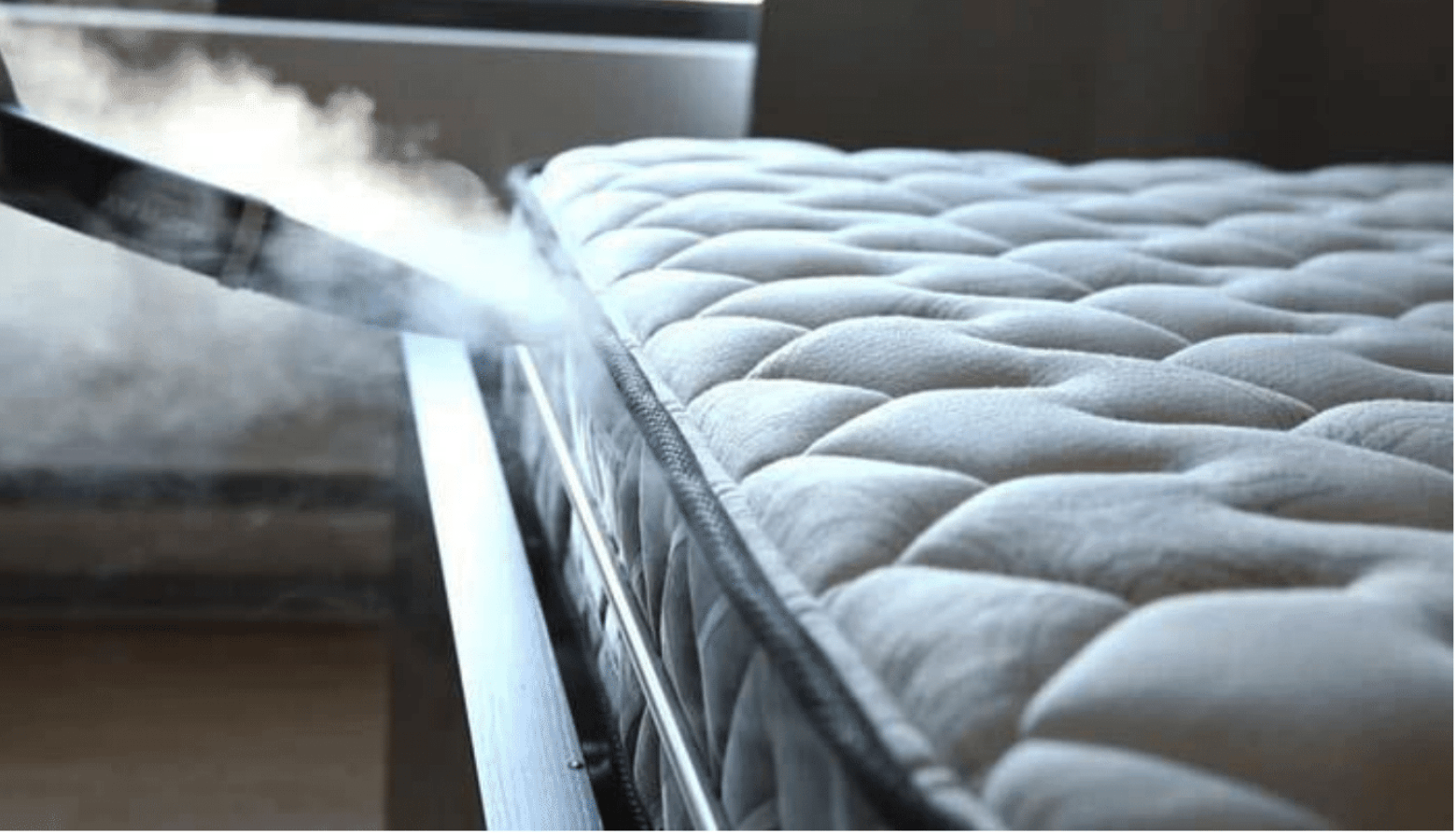
About This Service
Mattress hygiene is one of the most important yet overlooked aspects of vacation rental maintenance. In Dallas's humid climate, mattresses can harbor dust mites, allergens, bacteria, and odors that impact guest health and comfort. Our professional mattress sanitization service goes far beyond surface cleaning to deliver hospital-grade hygiene that guests can feel good about. Using medical-grade UV-C light technology, high-temperature steam treatment, and EPA-registered sanitizing agents, we eliminate 99.9% of contaminants while being safe for all mattress types.
Features
- Hospital-grade UV-C light sanitization
- Hot water extraction cleaning
- Dust mite and allergen elimination
- Bacteria and virus treatment
- Odor neutralization (not masking)
- Safe for all mattress types
- Hypoallergenic cleaning agents
- EPA-registered sanitizing products
- Stain treatment and removal
- Allergen barrier protection option
- Drying time under 4 hours
- Same-day service available
- Documentation for health-conscious marketing
- Pillow sanitization included
Benefits
- Protect Guest Health
- Eliminate Persistent Odors
- Extend Mattress Lifespan
- Support Allergy-Friendly Listings
Why Mattress Sanitization Matters for Your Dallas Airbnb
The average person sheds approximately 1.5 grams of skin cells daily during sleep, and loses up to a pint of moisture through perspiration. In a short-term rental with frequent guest turnover, this biological load accumulates rapidly in mattresses. Dallas's humid subtropical climate creates ideal conditions for dust mites, which feed on skin cells and thrive in warm, humid environments. Without regular sanitization, mattresses become breeding grounds for allergens that trigger respiratory issues, skin irritation, and poor sleep quality. For hosts, this translates to negative reviews about musty odors, allergy complaints, or general discomfort—problems that are entirely preventable with professional sanitization.
The Mattress Sanitization Process
When you schedule mattress sanitization, our trained technicians arrive with specialized equipment including UV-C sanitizers and commercial hot water extraction machines. Each mattress is treated individually, starting with vacuum extraction to remove surface debris. We then apply targeted stain treatment if needed, followed by deep hot water extraction to remove embedded soils. The UV-C treatment follows, with the light wand passed systematically across the entire mattress surface. Finally, we apply hypoallergenic deodorizer and optional allergen protection. The mattress is left propped for air circulation and will be completely dry within 4 hours. You'll receive documentation of the sanitization for your records and marketing purposes.
Our Process
Pre-Treatment Assessment
We inspect each mattress for stains, wear, and specific contamination concerns. This assessment determines the optimal treatment approach and identifies any mattresses requiring replacement rather than sanitization.
Deep Extraction Cleaning
Using commercial-grade hot water extraction equipment, we remove surface soils, dust, and debris from mattress surfaces and subsurface layers. This prepares the mattress for effective sanitization treatment.
UV-C Light Sanitization
Medical-grade UV-C light treatment penetrates mattress fibers to eliminate bacteria, viruses, dust mites, and their eggs. This chemical-free process is highly effective and safe for all mattress materials.
Deodorizing & Protection
We apply hypoallergenic deodorizing treatments that neutralize odors at the molecular level, followed by optional allergen barrier protection to extend sanitization benefits between professional treatments.
Frequently Asked Questions
How often should mattresses be sanitized in an Airbnb?
For typical Airbnb properties with regular turnover, we recommend mattress sanitization every 3-4 months or after every 15-20 guest stays. Properties in Dallas may benefit from more frequent treatment due to humidity and allergen levels. Properties hosting guests with pets, families with children, or during allergy season should consider monthly sanitization. We also recommend immediate sanitization if a mattress has been soiled or if you receive any guest feedback about allergies or odors.
Is UV-C light treatment safe for mattresses?
Yes, UV-C light sanitization is completely safe for all mattress types including memory foam, innerspring, latex, and hybrid mattresses. Our medical-grade equipment is calibrated specifically for bedding applications and does not generate heat that could damage materials. UV-C light is widely used in hospitals and healthcare facilities for sanitization and has been proven safe for fabrics and mattresses when applied correctly by trained technicians.
How long does mattress sanitization take?
Each mattress requires approximately 45-60 minutes for complete sanitization, depending on size and condition. A typical 2-3 bedroom Airbnb with 3-4 beds can be fully serviced in 3-4 hours. Mattresses are dry and ready for use within 4 hours of treatment, making same-day turnaround possible when combined with turnover cleaning services.
Can sanitization remove existing stains?
Our sanitization process includes stain treatment that can significantly improve or completely remove many types of stains including sweat, body oils, and water-based spills. However, some stains—particularly those that have set over time or involve dyes (wine, coffee, bodily fluids)—may not fully disappear. We'll assess stains during our pre-treatment inspection and provide honest expectations. Even when stains remain, the sanitization process eliminates any associated bacteria or odors.
Do you also sanitize pillows and bedding?
Yes, pillow sanitization is included with our mattress service. We also offer duvet, comforter, and pillow-top sanitization as add-on services. For complete bedding hygiene, we recommend pairing mattress sanitization with our linen laundry service using hot water sanitization cycles. This comprehensive approach ensures the entire sleep environment is fresh and allergen-free.
Will guests smell cleaning chemicals after treatment?
No. We use hypoallergenic, fragrance-free sanitizing agents specifically chosen for hospitality applications. Any slight scent from treatment dissipates completely within 1-2 hours. Unlike traditional cleaning products that leave strong fragrances, our process leaves mattresses smelling genuinely fresh and neutral. This is particularly important for guests with chemical sensitivities or fragrance allergies.
Can mattress sanitization help with bed bugs?
While our UV-C treatment kills bed bugs and their eggs on contact, mattress sanitization alone is not a complete bed bug solution. If you suspect bed bugs, you need professional pest control services. We can sanitize mattresses after pest control treatment to remove any remaining allergens and restore sleep safety. Many Dallas hosts schedule sanitization as part of their post-treatment protocol to reassure guests and fully restore the property.
Related Services
Airbnb Rental Turnover Cleaning
Complete property cleaning between guest stays to ensure 5-star reviews.
Learn MoreAirbnb Housekeeping Deep Clean
Intensive deep cleaning to restore your property to pristine condition.
Learn MoreAirbnb Linen Laundry Service
Complete linen and laundry solutions for busy Airbnb hosts.
Learn MoreBook Your Mattress Care Today
Get started with professional cleaning services tailored to your needs.
Get a Free Quoteservices planning guide
How to plan airbnb mattress sanitization for a short-term rental in Dallas
Airbnb Cleaning Service of Dallas uses the following planning framework to help property managers and business owners turn a request for vacation-rental turnover cleaning into a scope that can be walked, priced, scheduled, and checked. It is designed for practical comparison and does not replace site-specific safety, material, vendor, or regulatory requirements.
Define the Work Before Pricing It
A walkthrough for airbnb mattress sanitization is most productive when the decision-maker identifies the spaces that create complaints, the areas that carry the most traffic, and the tasks the current program misses. Those observations turn a generic checklist into a practical scope tied to the way the property is actually used. Before pricing airbnb mattress sanitization, document exclusions as carefully as inclusions. Exterior work, high access, consumable supplies, waste handling, specialty floor restoration, equipment interiors, and event cleanup can be scheduled correctly only when responsibility is explicit. Change orders are easier to avoid when the initial airbnb mattress sanitization proposal records current conditions. Photographs, floor-type notes, access limitations, and known buildup give both sides a shared baseline for deciding what belongs in startup work and what belongs in recurring maintenance. The strongest airbnb mattress sanitization plan names measurable outcomes rather than relying on broad phrases such as “keep it clean.” Examples include streak-free entry glass, stocked and odor-controlled restrooms, debris-free floor edges, sanitized touchpoints, and completion before a stated opening time.
Build the Schedule Around Operations
Access planning is part of service planning. Keys, badges, alarm procedures, loading access, elevator reservations, escort rules, and locked-room approvals should be confirmed before the first airbnb mattress sanitization visit so the crew can complete the full scope without improvising. Scheduling should be built around operating hours and risk, not around the cleaning company’s convenience. Some short-term rental environments need a complete after-hours reset, while others benefit from daytime attention to entrances, restrooms, spills, or high-traffic common areas. Daytime and after-hours service solve different operational problems. Day porter coverage manages visible conditions while people are present; after-hours crews complete disruptive or time-intensive tasks when work areas can be accessed safely and thoroughly. A nightly, daily, weekly, or project schedule changes more than visit frequency. It changes how much soil accumulates between visits, which tools are appropriate, how long each visit takes, and whether periodic deep work must be layered into the agreement.
Make Quality Control Observable
Consistent crew assignments improve airbnb mattress sanitization because the team learns access routines, material sensitivities, recurring problem areas, and the expectations of the facility contact. Coverage plans are still necessary for absences so consistency does not depend on one individual. Quality control works best when it is tied to the site-specific scope. A supervisor can inspect completion against named rooms and outcomes, record exceptions, assign corrections, and identify patterns that require a change in staffing, tools, or frequency. Useful performance conversations separate an isolated miss from a recurring process failure. One unemptied bin requires correction; repeated misses in the same wing may indicate unclear zoning, inadequate time, or a checklist that does not match the building. Before-and-after documentation is especially valuable for one-time or restorative airbnb mattress sanitization. It establishes the starting condition, records the completed result, and helps the facility manager decide whether a recurring maintenance cycle would prevent the same buildup.
Match Methods to Materials and Risk
Equipment should be selected for the facility rather than for convenience. HEPA filtration, low-moisture extraction, auto-scrubbing, water-fed poles, pressure equipment, or detail tools may be appropriate depending on access, surface, soil, and reopening time. Consumable supplies deserve their own responsibility list. Soap, paper products, liners, dispensers, batteries, air fresheners, and specialty items may be client supplied, contractor supplied, or billed separately, but the agreement should not leave that question open. For sensitive or newly installed materials, a small test area can prevent expensive mistakes. The service plan should identify who approves the test result before broader cleaning or restoration proceeds. Dwell time and physical removal are central to effective cleaning. A product cannot perform as intended if it is wiped away immediately, and loosened soil still needs to be removed with clean tools rather than redistributed across the surface.
Use the Walkthrough to Build the Scope
For larger properties, divide the walkthrough into zones and record the floor type, use, occupancy, and desired frequency for each. This produces a proposal that can be adjusted by zone without rewriting the entire program. Access and safety constraints should be demonstrated, not merely mentioned. Alarm panels, loading doors, restricted areas, waste points, water access, electrical access, and equipment storage can change the labor plan materially. Discuss current service honestly during the walkthrough. What works should be preserved, what fails should be corrected, and any unrealistic expectation should be resolved before it becomes a recurring dispute after startup. Bring a current floor plan, operating schedule, and list of known problem areas to the walkthrough. These details help Airbnb Cleaning Service of Dallas organize airbnb mattress sanitization around actual conditions instead of estimating from square footage and a short phone description.
Put the Service Agreement in Writing
Service-level expectations should be realistic and observable. A promise of “perfect cleaning” is less useful than response times, inspection routines, named completion outcomes, and an escalation process for repeated deficiencies. Insurance and vendor-document requirements should be confirmed during proposal review rather than after award. If the property requires a certificate, additional insured wording, vendor portal registration, or special access documentation, those steps can affect the startup date. The agreement should explain how additional work is approved. Emergency cleanup, event service, construction dust, floor restoration, and extra porter coverage should not be performed or billed through an informal request that no one can later verify. Pricing should state whether it is monthly, per visit, hourly, or project based and should identify the assumptions behind it. Changes in occupied square footage, frequency, access time, or task scope need an agreed method for repricing.
Plan for Dallas Facility Conditions
DFW traffic makes realistic arrival windows important, especially when a crew must meet security or elevator access at a fixed time. The plan should protect enough on-site time to complete the work rather than compressing the scope after a delayed handoff. A local service plan should account for the property’s immediate environment. Construction nearby, open parking, landscaping, loading activity, and pedestrian traffic can change how quickly dust and debris return after a visit. Dallas facilities contend with long cooling seasons, tracked-in dust, pollen, severe-weather debris, and rapid development activity. Those conditions can influence entry cleaning, high dusting, floor care, glass maintenance, and the timing of periodic deep work. Heat and air-conditioning runtime can increase dust movement through vents, ledges, high surfaces, and return-air zones. Periodic detail work should be scheduled before accumulation becomes visible or begins cycling back into occupied areas.
Compare Providers on More Than Price
Ask each provider to explain staffing assumptions, visit length, supervision, equipment, and the process for covering absences. The answer reveals whether the proposal is an operating plan or simply a price attached to a task list. Review the proposal for vague language. Terms such as “as needed,” “regularly,” and “periodically” should be converted into frequencies, triggers, or approval rules before the agreement is signed. Evaluate communication alongside cleaning technique. A facility manager needs timely updates, a named account contact, documented service requests, and a reliable process for resolving issues without repeatedly explaining the account. The final decision should align service frequency with the facility’s real use. Buying fewer visits than the property needs creates visible decline; buying unnecessary frequency wastes budget that could be directed to periodic or high-priority work.
Start, Measure, and Adjust the Program
The first visit should not be treated as an ordinary maintenance visit when buildup already exists. Startup cleaning establishes a maintainable baseline and gives the crew a realistic view of the time required for future service. After the first service cycle, compare actual labor and facility condition with the proposal assumptions. If the original scope was inaccurate, adjust it openly rather than expecting quality to survive an unrealistic workload. Periodic tasks should be placed on a calendar at startup. Floor work, carpet extraction, glass detailing, vent cleaning, high dusting, pressure cleaning, and other rotating services are easier to budget when dates are planned. Task sequencing affects results. High dusting should precede lower-surface cleaning, dry soil removal should precede wet work, and areas with restricted reopening times should be completed early enough to dry or ventilate.
Bring to the walkthrough
- Approximate square footage, floor plan, and operating hours
- Current frequency, known complaints, and priority areas
- Flooring and surface notes, restricted rooms, and access rules
- Desired start date, budget constraints, and approval contacts
Expect in a written proposal
- Task scope by zone and visit frequency
- Service windows, periodic work, and supply responsibility
- Quality checks, communication, and correction procedures
- Pricing assumptions, exclusions, and change-order rules